Not just one device or a single method, but a coordinated approach that works simultaneously with the skin, muscles, lymphatic, and adipose tissues.
22.09.2025
AVANTA: BYE-BYE CELLULITE!
Worldwide, nearly 95% of women know firsthand what cellulite is. But recognizing it and actually understanding how to eliminate its unwanted presence are two very different things.
In Armenia, one of the country’s most in-demand clinics — Avanta Innovative Medical Center — offers a comprehensive approach to both the prevention and treatment of cellulite. Their methods are designed to restore the skin’s smoothness, elasticity, and overall health.
Dalma Mag sat down with Dr. Lilit Gevorgyan, dermatologist at Avanta, to uncover the causes and effects of cellulite — and explore the latest, most accessible solutions available today.
CAUSES OF CELLULITE
In aesthetic medicine, cellulite is not classified as a pathology but rather regarded as a superficial structural change in the skin. It develops due to the specific characteristics of fat cells and connective tissue, resulting in visible unevenness on the skin’s surface.
Dermatologist Dr. Lilit Gevorgyan from Avanta explains:
“Cellulite has multiple causes — one of them is the influence of the estrogen hormone. In the female body, estrogens play a key role not only in the reproductive system but also in the structure of the skin and collagen production.”
Cellulite can appear on various parts of the body, but some areas are more “susceptible” because of the way fat layers are structured: the abdomen, thighs, hips, buttocks, and upper arms. Importantly, cellulite is not directly linked to excess weight — even individuals with no weight issues may still develop it.
THREE STAGES OF CELLULITE
There are three recognized stages of cellulite.
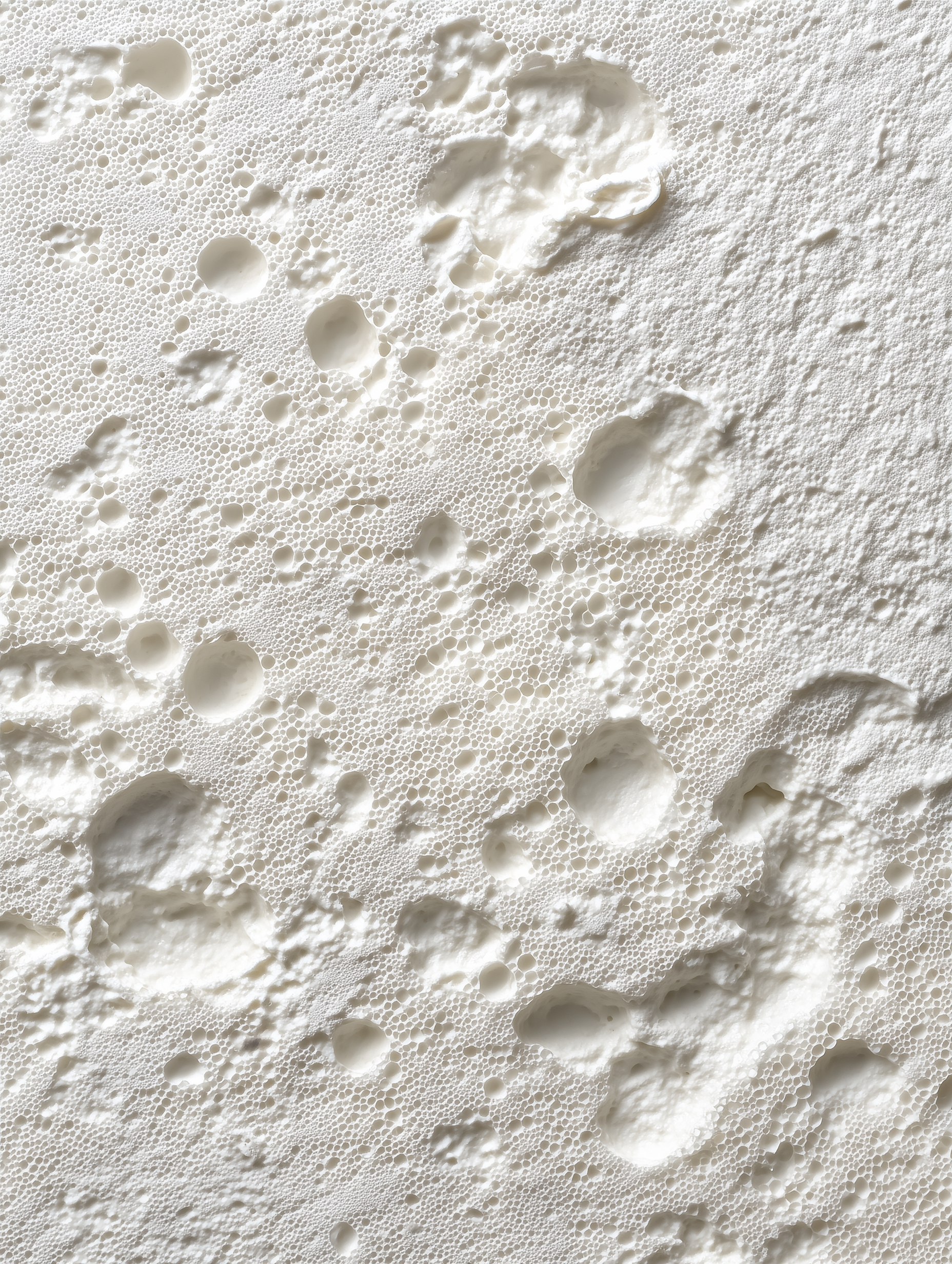
Stage One: When standing or lying down, the skin appears visually smooth; however, when pinched, unevenness resembling an “orange peel” becomes visible.
Stage Two: The dimpling is visible even while standing, without the need to pinch the skin — especially in the thighs, buttocks, or abdominal area — though it may be less noticeable when lying down.
Stage Three: The irregularities are clearly visible both when standing and lying down, altering the body’s contour.
Most people are primarily concerned with the second and third stages of cellulite.
DEVELOPMENT OF CELLULITE
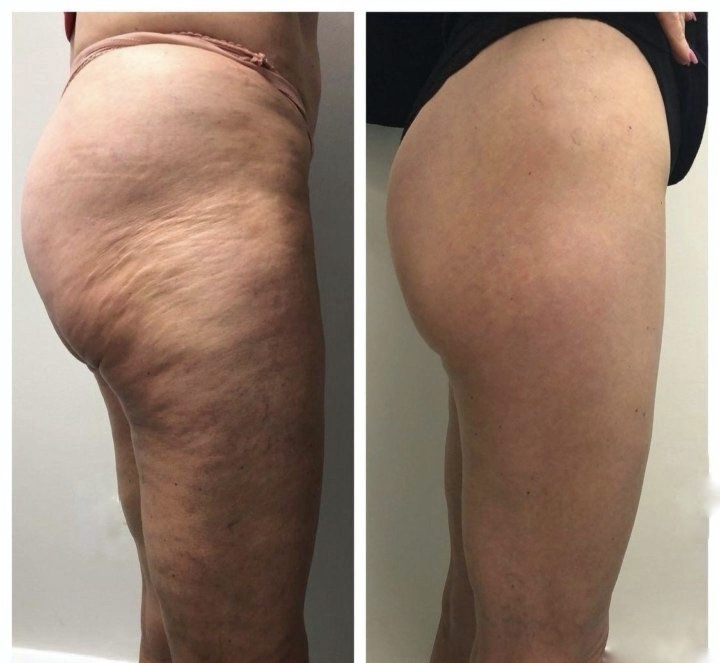
Cellulite begins to form much earlier than we are able to notice it. Its development is gradual: at first, blood and/or lymphatic circulation is disrupted in the affected area (lymph being the fluid that helps cleanse the body of waste and plays a key role in the immune system). As a result, the skin starts to lose its smooth appearance.
When the skin’s elasticity decreases, these irregularities become even more visible.
Age-related and hormonal changes further impact skin quality, reducing its ability to respond to these shifts. In fact, every second woman over the age of 45 experiences problems with cellulite.
ANTI-CELLULITE DIET AND HEALTHY PHYSICAL ACTIVITY
In a perfect world, there might be a type of food that could rid us of cellulite altogether — but unfortunately, no magical ingredient exists that can either cause or cure it. The good news is that certain dietary habits can help prevent its development.
First, it’s important to remember that some foods tend to cause fluid retention in the body, such as salty or sugary products and fast-digesting carbohydrates like bread and pastries. This fluid retention is one of the primary conditions that promotes cellulite formation.
The second key factor in prevention is regular physical activity. Our muscles act as a natural pump, stimulating lymphatic drainage, while their work also contributes to the thinning of fat layers. Without physical activity — and combined with a diet that encourages fluid retention — conditions become ideal for cellulite to form.
That’s why Avanta recommends keeping both nutrition and movement in mind when addressing this concern.
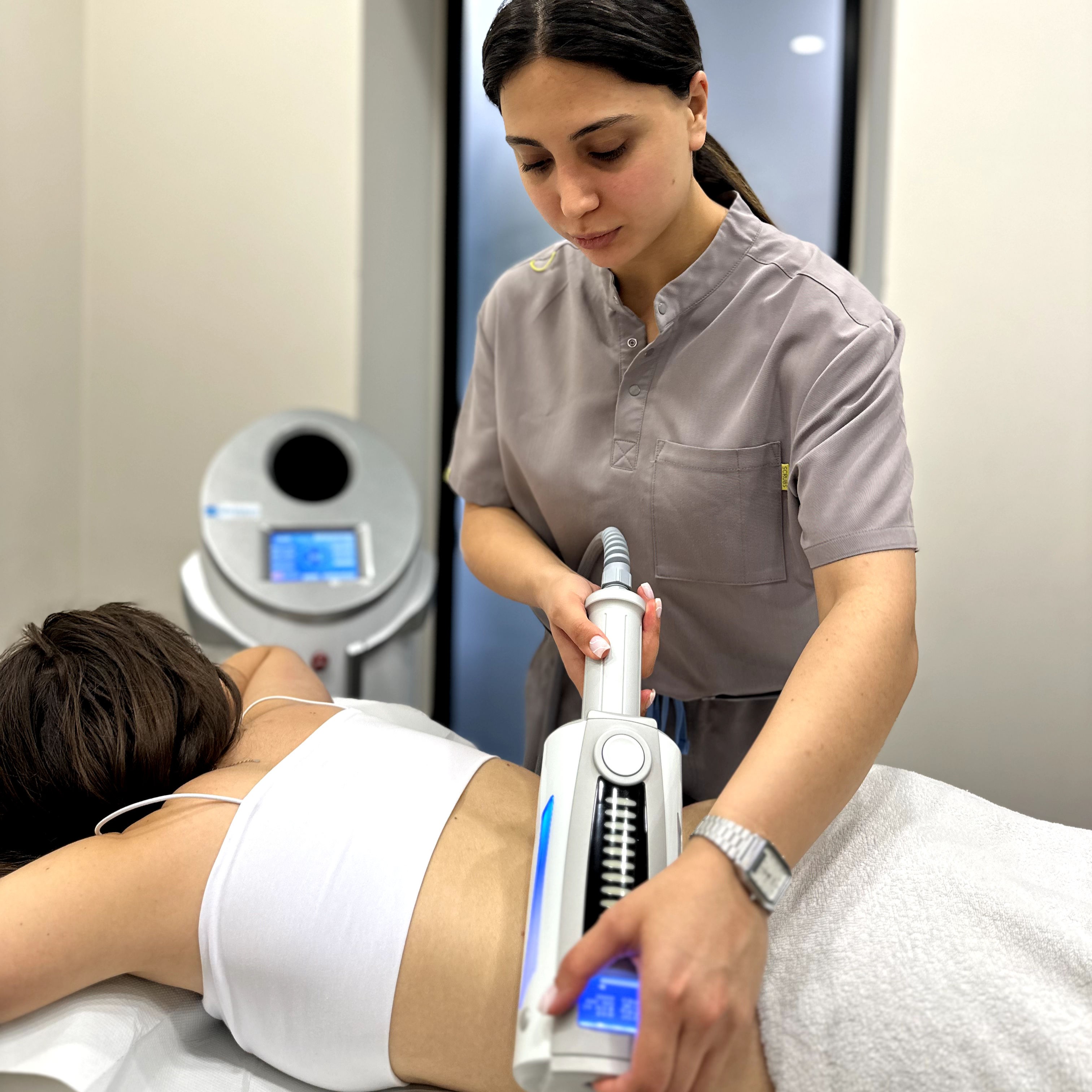
AGAINST CELLULITE
We could go on endlessly about the subject, but the real question is what to do once cellulite becomes visible. The solution is neither strict diets nor exhausting cardio workouts.
According to Avanta specialists, what truly matters is following the right sequence of steps — a comprehensive approach that simultaneously targets the skin, muscles, fat, and lymphatic tissues.
This integrated method makes it possible to:
- Stimulate skin tone
- Improve lymphatic flow
- Reduce swelling
- And ultimately restore tissues to their natural appearance and function

RESULTS FROM THE INSIDE OUT
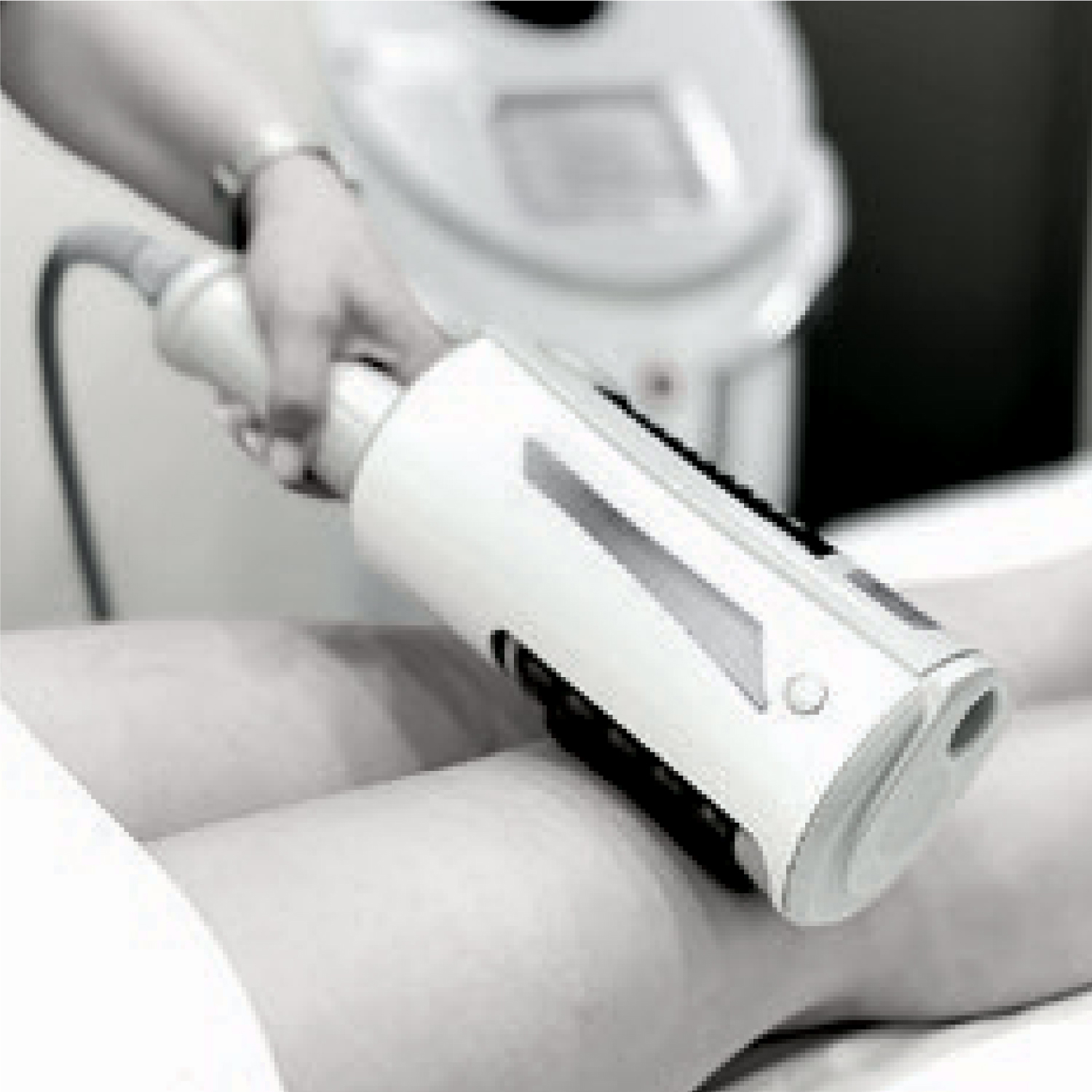
At Avanta, the path to overcoming cellulite begins with a free consultation. Using a specialized device, the clinic can evaluate the body from different angles and provide precise measurements — for example, determining the percentage of fat and muscle mass. Based on these data, the specialist identifies which tissues require more intensive work and then offers a personalized treatment package.
Avanta’s comprehensive approach to treating or preventing cellulite focuses on four key directions: skin, muscles, fat, and the lymphatic system.
In other words, it’s not about relying on a single device or method, but rather a coordinated approach that works simultaneously with the skin, muscles, lymphatic, and adipose tissues. When this strategy is combined with proper nutrition and physical activity, the skin gradually becomes healthier — both from the inside and the outside.
This methodology ensures real, visible results without invasive procedures.
For long-term maintenance, Dr. Lilit Gevorgyan recommends undergoing an anti-cellulite course at least once a year, while also increasing physical activity and adopting balanced nutrition.