From the moment when the Lumière brothers’ “Arrival of a Train at La Ciotat” introduced people to this new, unusual, yet fascinating form of art, audiences quickly became interested not only in the “arriving trains” but also in who was getting off those trains and what they were wearing. This is how the relationship between cinema and fashion began to develop.
04.08.2026
Cinema and Fashion
Star Style
At the beginning of the 20th century, Hollywood developed the star system, when people went to cinemas specifically to see actors and actresses. In the 1920s, women began dyeing their hair blonde and applying makeup inspired by silent film star Clara Bow. Her images spread beyond movie theaters through magazines and collectible photo cards.
Later, many women started cutting their hair in the style of Louise Brooks. In fact, she became the symbol of the flapper style of the decade: short hair, dresses without emphasized waistlines, cloche hats, and dark lipstick.
The next generation of stars — Marlene Dietrich, Marilyn Monroe, Ingrid Bergman, and others — further strengthened this phenomenon. However, it should be noted that audiences recreated their looks in different ways. Even when similar clothing existed in famous fashion houses, it was often unavailable to the majority of society. Women therefore used various methods: altering garments, sewing their own versions, and copying individual details of celebrity outfits.
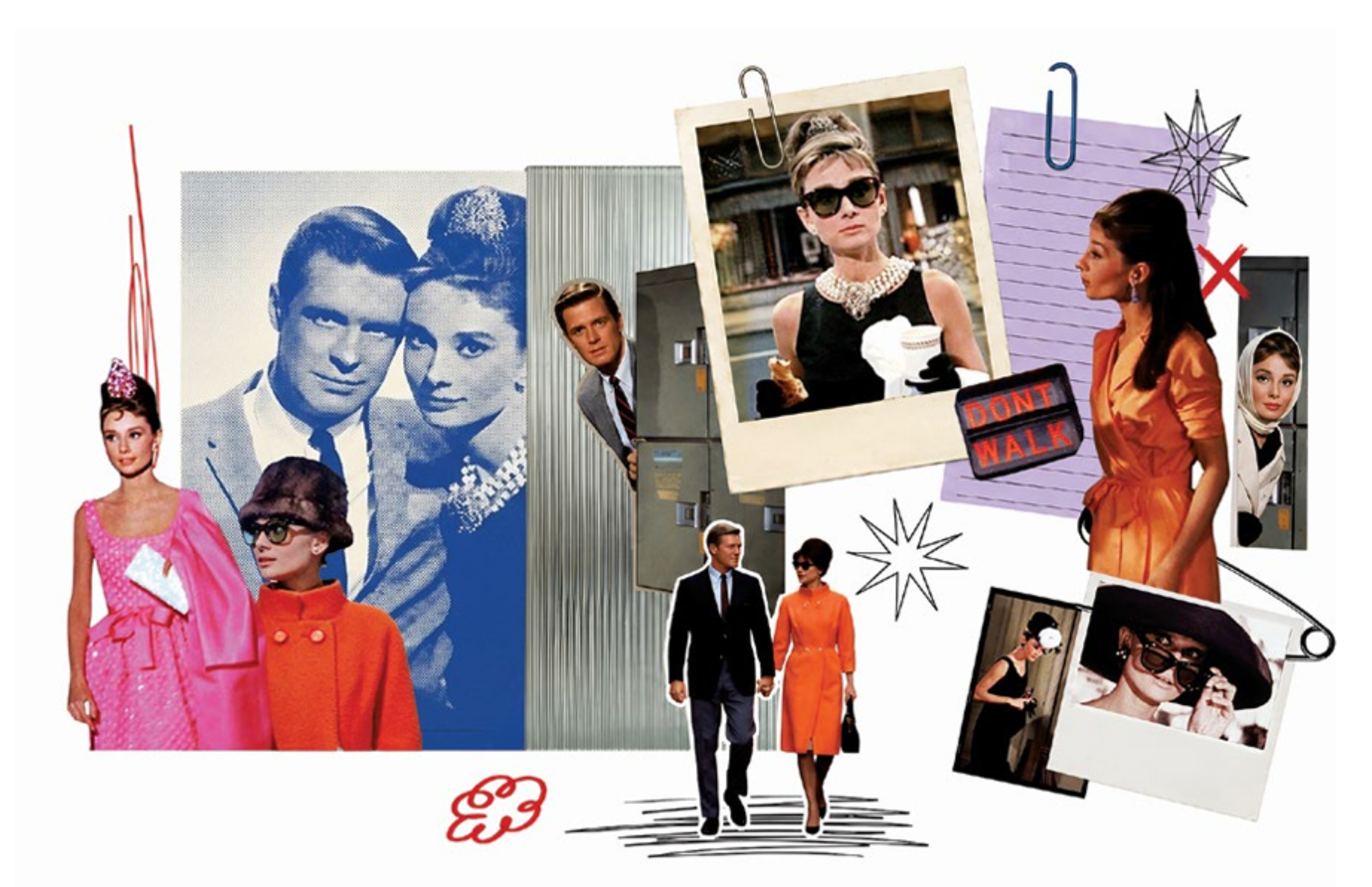
Breakfast with Hepburn and Givenchy
It is remarkable that these women continue to inspire people today — from bloggers to fashion designers. Fashion houses often dedicate collections to iconic films and actresses whose images have become part of cultural history.
A perfect example is the Givenchy brand, which continues to reference the image of Audrey Hepburn in “Breakfast at Tiffany’s” and the costumes created through her collaboration with Hubert de Givenchy. Their partnership was not limited to one film; it continued through different characters and projects. Hepburn’s cinematic image became inseparable from her personal wardrobe, as she continued wearing Givenchy designs in everyday life. Women around the world were inspired not only by the film itself but by the actress and her personal style.
From Cowboys to Neo
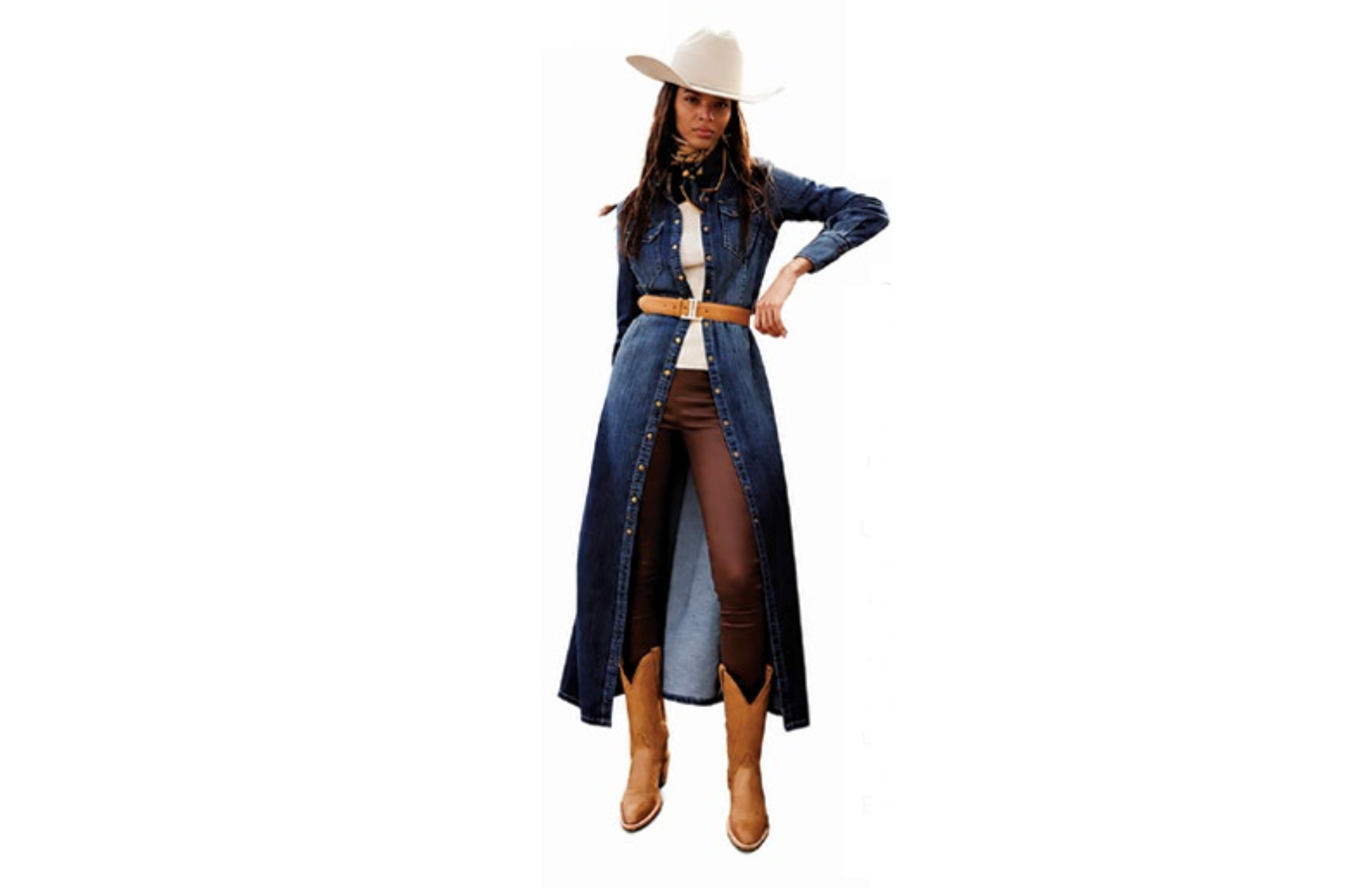
A major turning point came in the second half of the 1960s and the 1970s, when Western films became highly influential. Thanks to this genre, men began to draw inspiration from cinematic fashion just as much as women did.
A film would be released, become popular, and audiences would try to find similar clothing. Demand created supply.
The influence of spaghetti westerns on fashion was significant, as were Italian mafia films of the 1970s, the “power dressing” movement of the 1980s, and the action-film style of the 1990s, which popularized the combination of jeans, leather jackets, and aviator sunglasses.
This universal look was connected more to a specific genre than to individual actors. The same style could be worn by Jean-Claude Van Damme, Mel Gibson, or Bruce Willis.
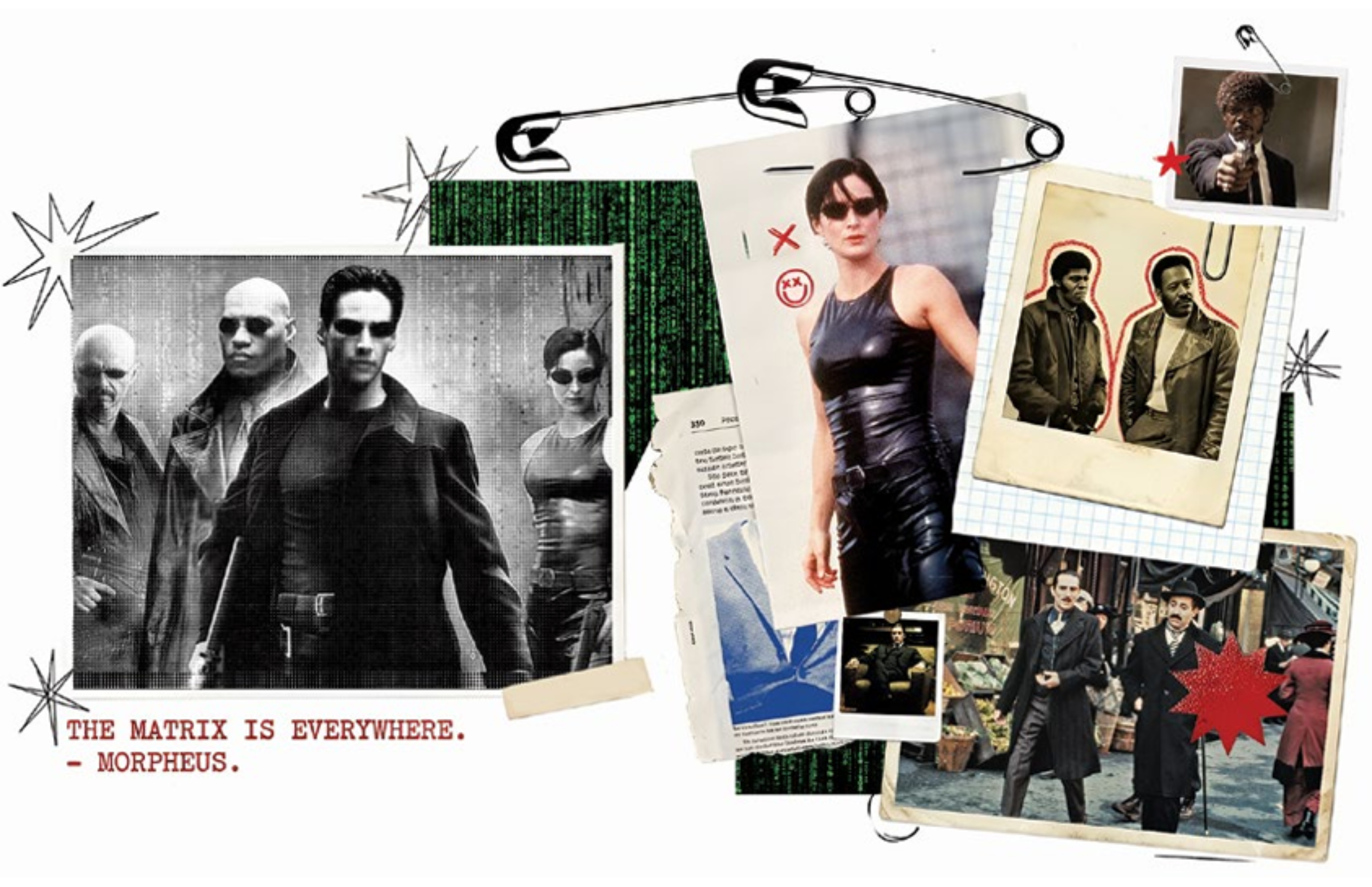
One film of this era had an especially powerful impact not only on cinema history but also on fashion: the Wachowskis’ “The Matrix” trilogy. Shortly after the release of the first film, Alexander McQueen and John Galliano brought the film’s aesthetic into high fashion.
The influence of The Matrix was visible not only in clothing but also in accessories. The sunglasses created for the film became such a major trend that Richard Walker even created his designer eyewear brand, Blinde. This case encouraged fashion brands and filmmakers to recognize the strong connection between cinema and fashion.
The Official Relationship Between Cinema and Fashion
Film producers began searching for fashion houses willing to provide costumes for their productions, while luxury brands discovered cinema as a powerful advertising platform.
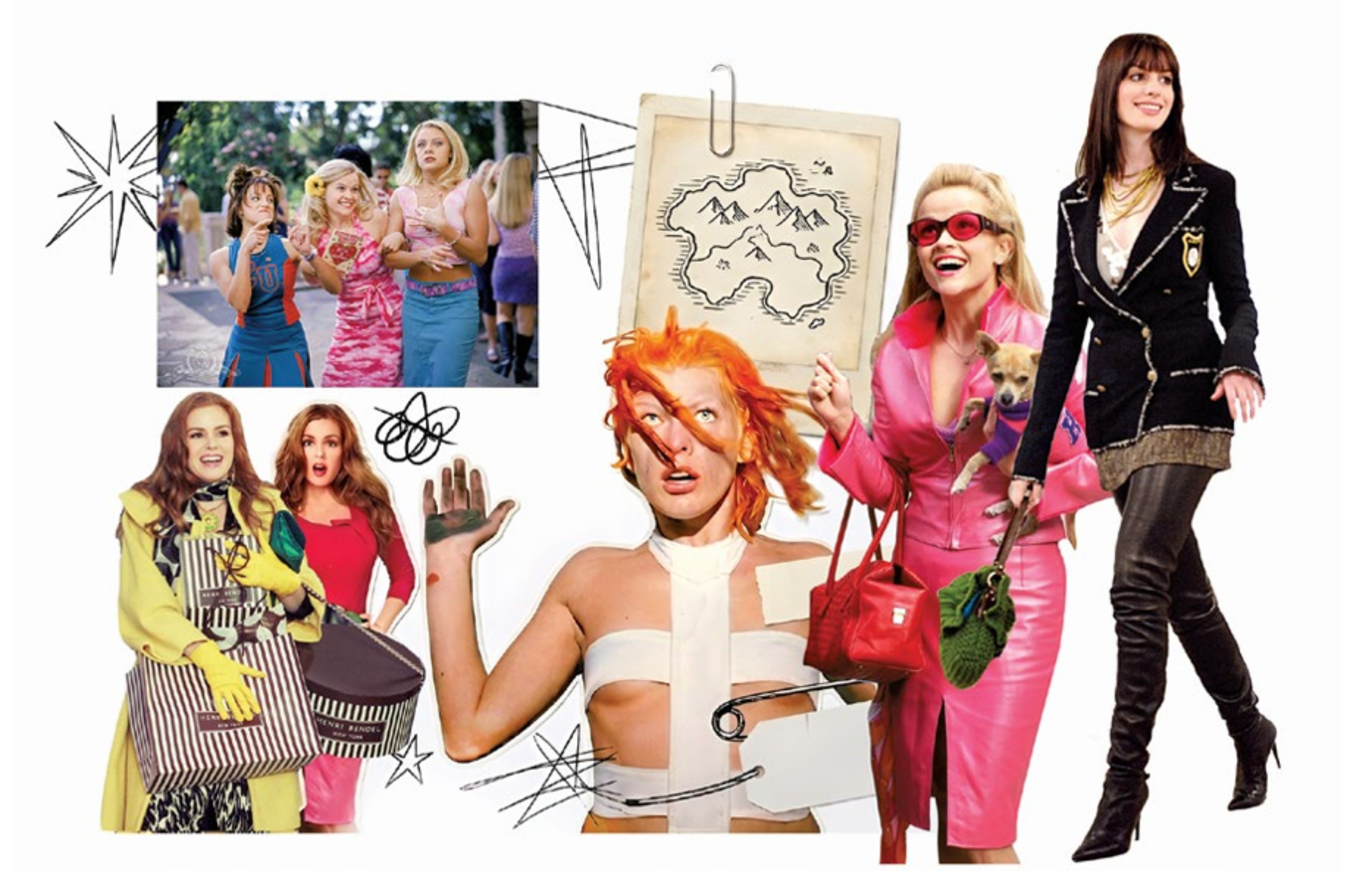
One of the first major collaborations was “The Fifth Element”. The partnership between French filmmaker Luc Besson and designer Jean Paul Gaultier in 1997 did not achieve enormous commercial success at the time, but in the long term it became a true cult phenomenon.
From the 2000s onward, targeted fashion marketing became increasingly common. This period also coincided with a new wave of interest in fashion among women and the growth of mass-market fashion.
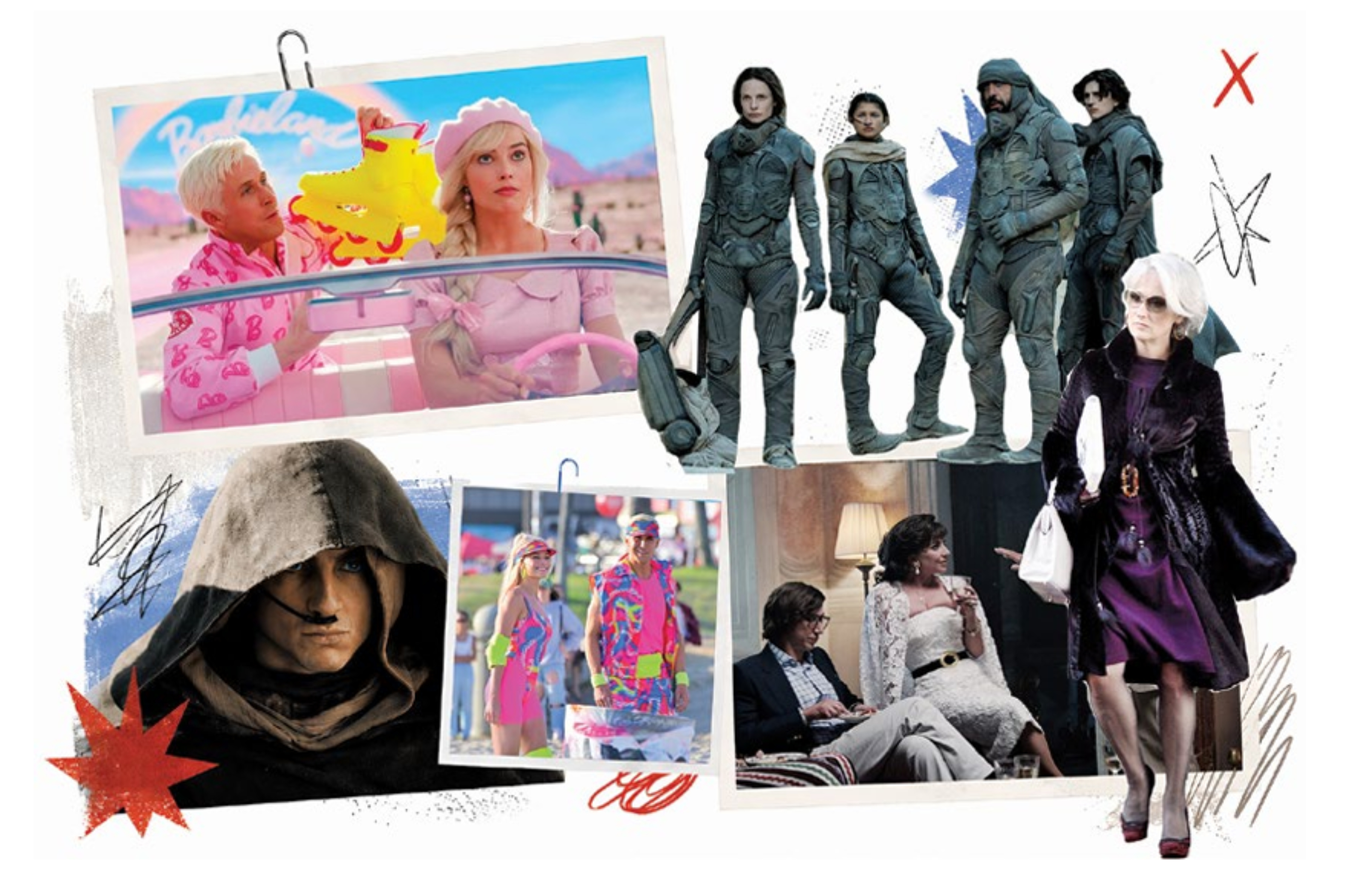
In films such as “The Devil Wears Prada,” “Sex and the City,” “Confessions of a Shopaholic,” and “Legally Blonde,” fashion became almost as important as the characters themselves.
Fellini Is Fashionable Again
Time has a unique ability: it can revive and highlight films, characters, and styles that may not have received enough attention when they first appeared.
The connection between cinema and fashion is not limited by any specific era. A strong example is Dior’s 2025 collection, where Maria Grazia Chiuri was inspired by Federico Fellini’s 1963 film “8½”. Dolce & Gabbana, meanwhile, drew inspiration from Italian mafia films of the 1970s.
These collections became widely popular, turned into trends, and proved that the dialogue between cinema and fashion is not only continuing but constantly evolving into new forms.